Pathways: Birth Through School
Ensuring a Pathway to Literacy for Every Georgia Child Who is Deaf or Hard of Hearing
Use the resources and information in this section to follow the pathway to language and literacy for your child from birth through school. The steps along the pathway roughly correlate to ages, however please use the resources that you need for where your child is now on the journey. Feel free to contact us for help at any point along the way.
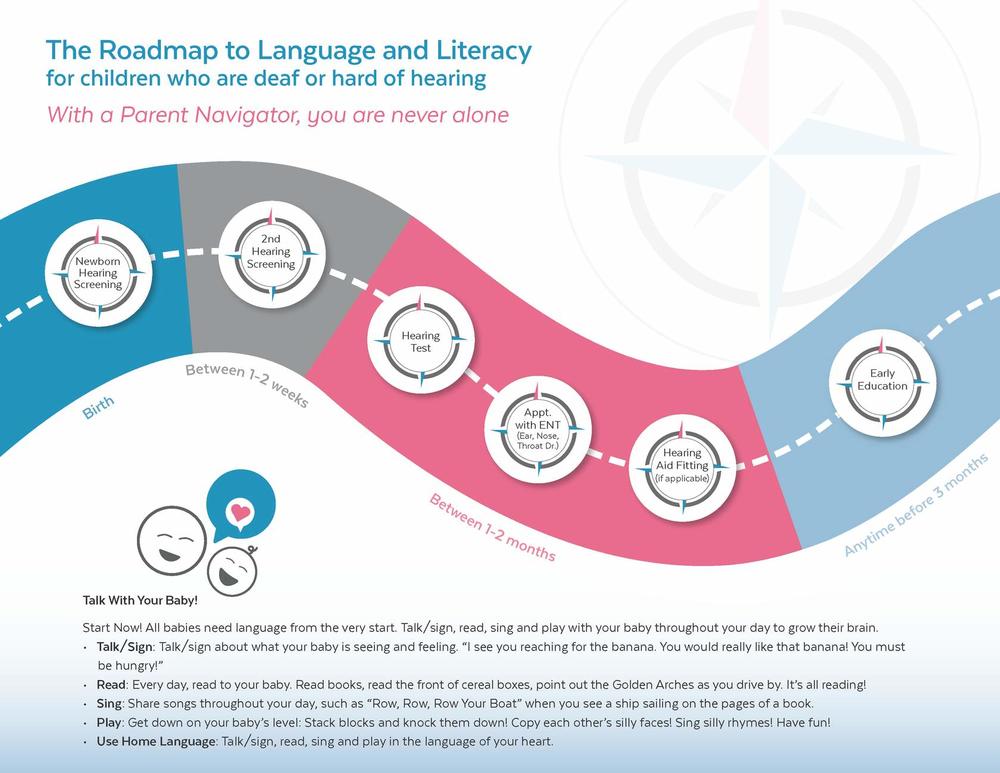
Newborn Screening and Rescreening
What is it?
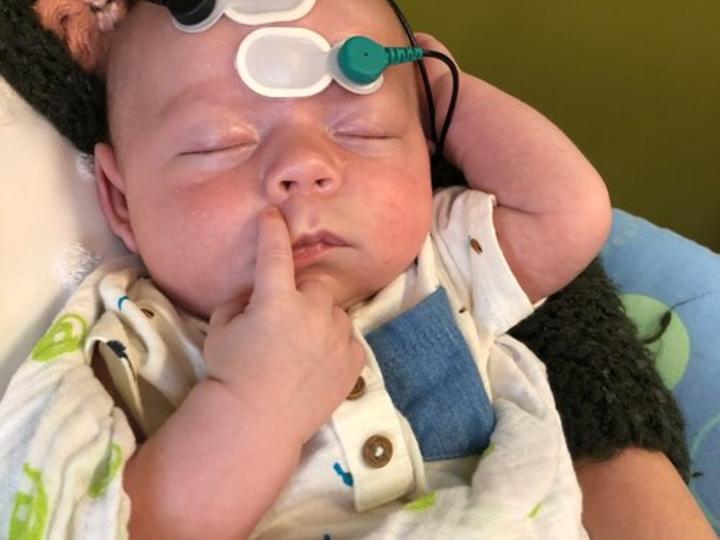
Newborn Hearing Screening is a quick test that checks a baby’s hearing and identifies those babies who need further testing. It is administered by hospital staff following birth.
Why is it important?
- Hearing loss is very common, affecting 3-4 in 1,000 newborns
- 95% of children with hearing loss are born to hearing parents with no family history of hearing loss (Mitchell, Ross E and Michael A Karchmer, 2004)
- Children whose hearing loss isn’t identified until age three won’t receive the necessary early intervention (e.g. hearing aids, therapies) they need to take advantage of the critical learning period
Where to get service or information?
- Georgia’s Early Hearing Detection and Intervention (EHDI) program has coordinators all over the state who work to help families find services! Visit the DPH site and select “Early Hearing Detection and Intervention” to locate your district’s coordinator.
- Need help finding a provider? Check out these maps of infant hearing testing providers around the state.
- Still need help? Email us at [email protected], and we’ll help get you scheduled.
What happens if my baby doesn't pass their newborn hearing screening?
This doesn’t necessarily mean your baby has a permanent hearing loss, but without additional testing we can’t be sure.
- When a baby does not pass the first newborn hearing screen, they should receive a follow-up screening within the first month of life (the sooner the better).
- When a baby does not pass two hearing screenings, they should be seen by a pediatric audiologist for a diagnostic hearing test, called a diagnostic Auditory Brainstem Response (ABR) evaluation as soon as possible
EHDI 1-3-6
According to the EHDI Guidelines, a child should receive a hearing screening no later than 1 month of age, a diagnosis no later than 3 months of age, and entry into early intervention services no later than 6 months of age.
Newborn Screening Resources
Diagnosis
What is it?
The process of discovering what a child can hear involves various tests given by an audiologist. There are multiple ways to test depending on a child’s developmental age and ability.
Why is it important?
The diagnosis of hearing loss is crucial because it is the first step to determine if early intervention services are needed. It also is the first step in helping a family understand the strategies that will support on time language development. Without a hearing loss diagnosis, there is no way to access early intervention services.
EHDI 1-3-6
According to the EHDI Guidelines, a child should receive a hearing screening no later than 1 month of age, a diagnosis no later than 3 months of age, and entry into early intervention services no later than 6 months of age.
Diagnosis Resources
Early Intervention
What is it?
Without extra help, children with hearing loss have problems learning language. These children can then be at risk for other delays (such as reading and writing delays). Families who have children with hearing loss often need to change their communication habits or learn special skills (such as sign language) to help their children learn language. These skills can be used together with hearing aids, cochlear or auditory brainstem implants, and other devices that help children hear.
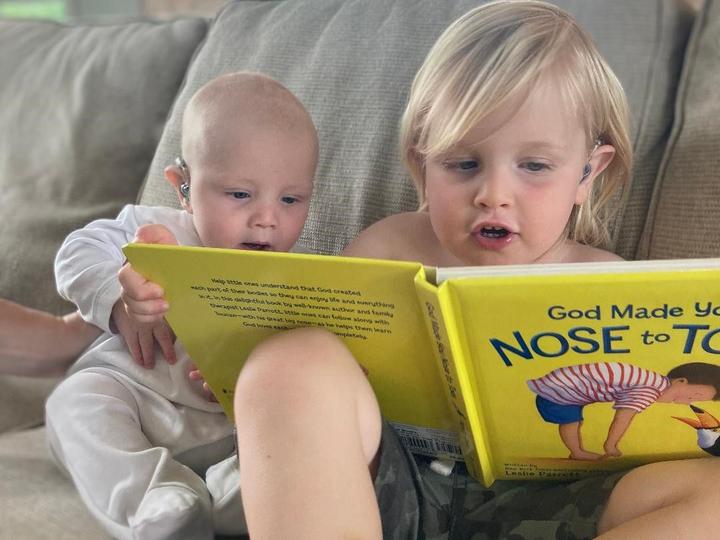
Early Intervention for children with hearing loss help infants and toddlers (from birth to age 3 years) to learn language skills and other important skills. Research shows that early intervention services can greatly improve a child’s development.
Why is it important?
Babies who are diagnosed with hearing loss should receive early intervention services as soon as possible. Children who receive early intervention services by the age of 6 months achieve better language outcomes than those who enroll at a later age or those who do not receive services at all.
EHDI 1-3-6
According to the EHDI Guidelines, a child should receive a hearing screening no later than 1 month of age, a diagnosis no later than 3 months of age, and entry into early intervention services no later than 6 months of age.
Early Intervention Resources
Early intervention services will look different for each child, but might include a variety of free, private, or Medicaid-funded options from any of the following providers, as well as other audiologists or speech/language therapists across the state.
Transition to School
What is it?

When children turn 3 years of age, they transition from early intervention (home-based) services to early childhood (school-based) services. In Georgia, Babies Can’t Wait (BCW) supports the transition planning process. During the transition planning process, your family will work with a team of professionals to determine your child's strengths, interests, and approaches to learning. The team will use the information from your Individual Family Service Plan (IFSP) to create a transition plan. The transition plan will be shared in a meeting with your family, your early intervention team, and your local school system. In the transition meeting, information about your child is shared with early childhood educators and local school teachers so they are ready to support your child when they start school.
Why is it important?
Completing the full transition process including the transition meeting ensures that your child receives ongoing services as he or she moves from early intervention to early childhood services.
School Instruction
What is it?
School services can start as early as your child’s 3rd birthday if they are eligible for Special Education Preschool in your local school district. Other early childhood options are Head Start, Early Head Start, private preschools and early childcare centers. You may choose to wait to enroll your child in school services at 5 years of age (i.e., Kindergarten), however research shows that children who attend preschool programs are more prepared for school and there are clear positive effects on children's early literacy (reading and writing) and math skills. Once your child starts school there will be several different service options for your child from kindergarten through high school graduation.
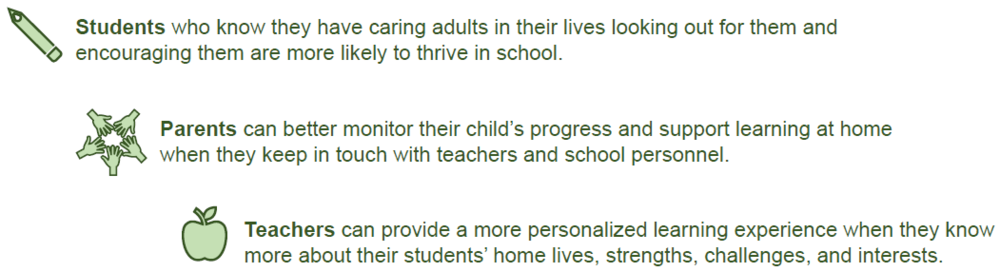
- General Education - program of education that typically developing children receive. General Education instruction is based on state standards and evaluated by the annual state educational standards test.
- Special Education (also called Exceptional Education, Student Support, Specialized Instruction) - specially designed instruction, called an Individualized Education Plan (IEP) to meet the unique needs of a child with a disability. You child may have teachers with specialized training; your child may receive instruction in the general education classroom or a special classroom or a special school.
- IDEA - The Individuals with Disabilities Education Act (IDEA) is the federal law that regulates how public schools must serve children with disabilities from birth until age 22. IDEA requires that schools provide a free, appropriate public education (FAPE) in the least restrictive environment (LRE).
- 504 Plan - plans that schools and families create to give kids with disabilities the services and support they need to learn alongside their peers. 504 plans help students with disabilities by giving them necessary: services, materials or technology, and making changes to their learning environment. These things are referred to as reasonable accommodations.
- ADA - Section 504 of the Rehabilitation Act/Americans with Disabilities Act (ADA) requires state and local governments to ensure that students with disabilities have equal access to any programs, services, or activities receiving federal funding.
- Gifted and Talented – a program for students who demonstrate a high degree of intellectual and/or creative ability, exhibits an exceptionally high degree of motivation, excels in specific academic fields, and who needs special instruction and/or special support services to achieve their maximum potential.
- It is important to know that students can be gifted and talented AND receive Special Education or 504 Plan services!
Why is it important?
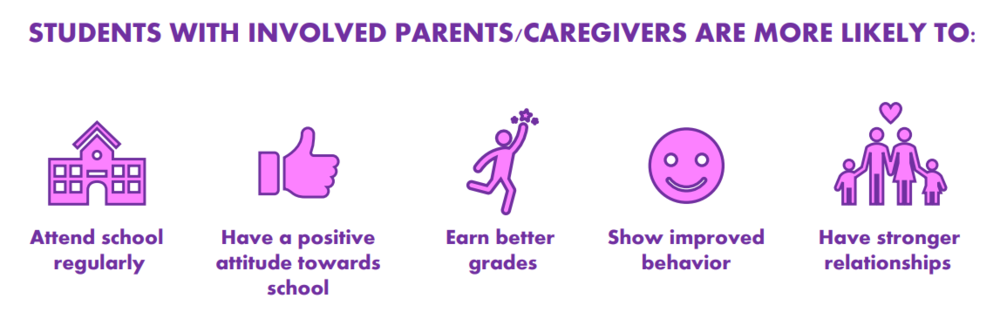
You are your child’s greatest advocate. Knowing what supports are available for your child and working with school partners to ensure your child is receiving those supports is one of the best ways to help your child reach his or her full potential. Research shows that parent involvement improves student attitude and behavior, attendance, and overall academic achievement.
What does successful parent involvement look like?
- Communicating regularly with your child’s teachers
- Reading at home with your child
- Helping with homework
- Discussing school events with your child
- Attending school events (IEP meetings, book fairs, fieldtrips)
- Volunteering in your child’s classroom
- Creating a home environment that encourages learning and schoolwork
- Don’t be afraid to get involved! You are the most important partner to your child’s educational success!
School Instruction Resources